Even a devil may cry
There is something interesting about the way we perceive strength. We admire those who seem impossible to break. The ones who remain composed under pressure, who take responsibility, who protect others, and who never appear to need anything themselves.
There is a phrase from a video game that has always stayed with me:
“Even a devil may cry.”
Perhaps that is what makes this phrase so interesting. It reminds us that strength and vulnerability are not opposites. I have always believed that a man should strive to be strong: physically capable, disciplined, reliable, and able to protect those around him. But also kind, empathetic, and capable of recognizing when he needs help. Being strong should never mean losing the ability to be human. The goal is not to become someone who cannot break, but someone who knows how to be strong without destroying himself.
The devil's disguise
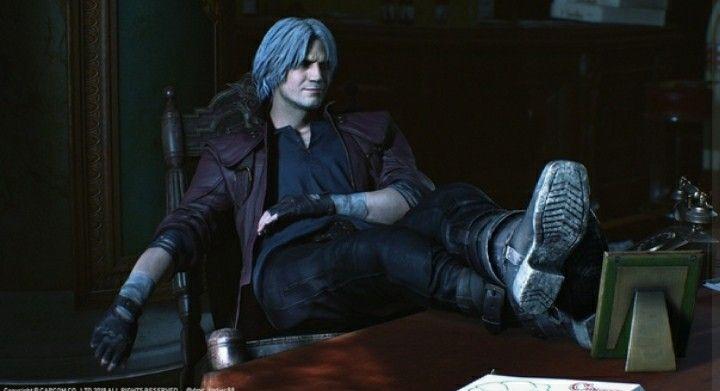
In Devil May Cry, Dante is presented as almost untouchable. Confident, sarcastic, powerful, and seemingly unaffected by whatever stands in front of him. He confronts monsters with an attitude that makes even the most dangerous situations look manageable.
But beneath that personality there is a much more complicated character. A history of loss, loneliness, grief, and things that cannot simply be defeated with a sword. His strength does not erase his suffering. His humour does not mean he has nothing to mourn.
And perhaps that is what makes the phrase so meaningful. Even a devil may cry. Even someone who seems capable of confronting anything can be hurt by something invisible.
We often confuse someone's ability to withstand pressure with their absence of pain. We see composure and assume peace. We see independence and assume fulfilment. We see strength and assume that nothing is wrong.
What being strong really means
I do not believe that men should stop trying to be strong. Quite the opposite. I believe there is value in physical strength, discipline, and the ability to endure discomfort. There is something meaningful about building a body that can do difficult things, about training when you do not feel like it, and about knowing that you are physically capable of helping someone when the situation demands it.
Being able to lift weights is one thing. Being able to carry someone who needs help is another. Being able to defend yourself matters, but so does having the character to defend someone who cannot defend themselves. Strength should give you the ability to make other people's lives safer, not the desire to make them feel smaller.
And there is another side to it. A strong man should also be kind. He should know how to listen, how to respect people, how to be patient, and how to treat others without needing anything in return. Being physically capable means very little if you use that ability to intimidate others. Discipline means very little if it never teaches you to control your own behaviour.
Perhaps the strongest men are not simply the ones who can endure the most, but the ones who can combine capability with responsibility, confidence with humility, and strength with kindness.
The expectations we inherit
Many men grow up learning how to be useful before learning how to understand themselves. Be responsible. Be dependable. Provide. Protect. Solve problems. Do not complain. Do not make things harder for the people around you.
None of these expectations are necessarily bad. There is dignity in responsibility, discipline, and being someone others can count on. But something becomes dangerous when these qualities turn into conditions for being accepted. When being a good man becomes synonymous with never showing that you are struggling.
Eventually, silence becomes part of the identity. You learn to answer that everything is fine before even considering whether it is. You become good at changing the subject, making jokes, keeping busy, and finding something else to concentrate on.
Work, training, ambition, responsibilities, distractions. Sometimes these things give our lives direction. Sometimes they also become convenient places to hide.
There is a difference between being resilient and refusing to acknowledge that something hurts. One helps you move forward. The other can slowly consume you.
Functioning is not healing
One of the most misleading things about mental health is the assumption that suffering must be visible. We imagine that someone who is struggling will eventually stop functioning. That they will withdraw, abandon their responsibilities, or become noticeably different.
But life does not always work that way.
A man can go to work every morning, train several times a week, maintain friendships, achieve his goals, and still feel completely disconnected from himself. He can be productive without being happy. He can be surrounded by people and still feel alone.
Sometimes routine becomes a way of avoiding difficult questions. As long as there is something to do, there is something to postpone. And because everything keeps moving, nobody thinks to ask whether the person moving through it all is actually okay.
Functioning is not the same as healing. And being busy is not the same as being at peace.
The courage to be seen
I do not believe the answer is to abandon strength, discipline, or resilience. These are valuable qualities. I believe we need to reconsider what we expect them to look like.
There is a particular kind of courage in admitting that something hurts. In having a conversation without pretending to have everything figured out. In telling a friend that things have not been particularly good lately. In asking for help before reaching a point where there is nothing left to give.
It is not weakness to need someone. It is not failure to struggle. And it certainly does not make someone less of a man to admit that life sometimes becomes heavier than expected.
Knowing when to ask for help does not take away your strength. It allows you to preserve it. You cannot be there for everyone if you continuously neglect yourself. You cannot protect others indefinitely if you refuse to acknowledge that you also need protection sometimes.
Perhaps we should also become better at listening. Not every conversation needs a solution. Not every confession needs advice. Sometimes people simply need a place where they do not have to perform the role of being okay.
Strength without destruction
I still believe that a man should strive to become strong. Strong enough to face difficulties, to take responsibility, to protect those he loves, and to be someone others can rely on. Strong enough to build something meaningful, to stand by his principles, and to do what is right even when it is inconvenient.
There is a fine line between becoming stronger and slowly losing yourself in the process. Discipline should build you, not consume you. Ambition should give you direction, not make you forget what matters. And resilience should help you overcome difficult moments, not convince you that you must endure everything in silence.
At some point, you have to ask yourself whether the things you do to become stronger are actually making you a better person, or simply making you better at hiding how you feel.
But he should also be able to enjoy life without constantly having to prove something. To rest without feeling guilty. To talk without feeling exposed. To accept affection without considering it a weakness. To have difficult days without questioning his entire identity.
The goal should never be to become someone who can withstand absolutely everything. That is not strength. That is an impossible standard.
A man should be able to carry weight, but he should also know when to put it down. He should be capable of standing up for others without being afraid of leaning on someone himself.
Strength should make your life bigger, not smaller. It should give you more ways to help, more reasons to care, and more freedom to be yourself. It should not become a prison that prevents you from being human.
Even a devil may cry
We spend so much time trying to become people who can withstand anything that we forget we are not supposed to be invulnerable.
There is nothing contradictory about being physically strong and emotionally vulnerable. Nothing contradictory about being disciplined and admitting that you are tired. Nothing contradictory about being the person everyone relies on and sometimes needing someone yourself.
I hope we become more comfortable asking men how they are really doing. I hope we become better at answering honestly when somebody asks us the same. And I hope we stop measuring someone's strength by how successfully they hide their pain.
Because I still believe men should be strong. Strong enough to protect, but never to intimidate. Strong enough to lead, but humble enough to listen. Strong enough to endure, but wise enough to ask for help. Strong enough to lift iron, but also gentle enough to make the people around them feel safe.
And when life becomes too heavy, strong enough to admit it.
Even the strongest among us can have difficult days. Even the person everyone depends on may need somebody to depend on. Even a devil may cry.
And there should be nothing to be ashamed of in that.
- A. R. Brea, written 21 Nov 2026
Hasta el diablo puede llorar
Hay algo interesante en la forma en que percibimos la fortaleza. Admiramos a quienes parecen imposibles de romper. A los que mantienen la compostura bajo presión, asumen responsabilidades, protegen a los demás y nunca parecen necesitar nada de nadie.
«Hasta el diablo puede llorar.»
Quizá eso es lo que hace tan interesante esta frase. Nos recuerda que la fortaleza y la vulnerabilidad no son opuestas. Siempre he creído que un hombre debe aspirar a ser fuerte: físicamente capaz, disciplinado, responsable y capaz de proteger a quienes le rodean. Pero también amable, empático y capaz de reconocer cuándo necesita ayuda. Ser fuerte nunca debería significar perder la capacidad de ser humano. El objetivo no es convertirse en alguien que no pueda romperse, sino en alguien que sepa ser fuerte sin destruirse a sí mismo.
El disfraz del diablo
En Devil May Cry, Dante se presenta como alguien prácticamente intocable. Seguro de sí mismo, sarcástico, poderoso y aparentemente indiferente a todo lo que se interpone en su camino. Se enfrenta a monstruos con una actitud que hace que hasta las situaciones más peligrosas parezcan manejables.
Pero debajo de esa personalidad hay un personaje mucho más complejo. Una historia de pérdida, soledad, duelo y cosas que no pueden derrotarse simplemente con una espada. Su fortaleza no elimina su sufrimiento. Su sentido del humor no significa que no tenga nada que lamentar.
Y quizá eso es lo que hace que la frase tenga tanto significado. Hasta el diablo puede llorar. Incluso alguien que parece capaz de enfrentarse a cualquier cosa puede resultar herido por algo que nadie ve.
A menudo confundimos la capacidad de alguien para soportar la presión con la ausencia de dolor. Vemos compostura y asumimos tranquilidad. Vemos independencia y asumimos plenitud. Vemos fortaleza y damos por hecho que no ocurre nada.
Qué significa realmente ser fuerte
No creo que los hombres deban dejar de intentar ser fuertes. Todo lo contrario. Creo que hay un gran valor en la fortaleza física, la disciplina y la capacidad de soportar la incomodidad. Hay algo significativo en construir un cuerpo capaz de hacer cosas difíciles, en entrenar cuando no apetece y en saber que físicamente estás preparado para ayudar a alguien cuando la situación lo exige.
Ser capaz de levantar pesas es una cosa. Ser capaz de cargar con alguien que necesita ayuda es otra. Saber defenderte importa, pero también importa tener el carácter necesario para defender a quien no puede hacerlo por sí mismo. La fortaleza debería darte la capacidad de hacer que la vida de los demás sea más segura, no el deseo de hacerlos sentir inferiores.
Y hay otra parte igual de importante. Un hombre fuerte también debería ser amable. Debería saber escuchar, respetar a los demás, tener paciencia y tratar bien a las personas sin esperar nada a cambio. Ser físicamente capaz significa muy poco si utilizas esa capacidad para intimidar a los demás. La disciplina significa muy poco si nunca te enseña a controlar tu propio comportamiento.
Quizá los hombres más fuertes no sean simplemente aquellos que más pueden soportar, sino aquellos capaces de combinar capacidad con responsabilidad, confianza con humildad y fortaleza con amabilidad.
Las expectativas que heredamos
Muchos hombres crecen aprendiendo a ser útiles antes que a entenderse a sí mismos. Sé responsable. Sé alguien en quien se pueda confiar. Provee. Protege. Resuelve problemas. No te quejes. No hagas las cosas más difíciles para quienes te rodean.
Ninguna de estas expectativas es necesariamente mala. Hay dignidad en la responsabilidad, la disciplina y en ser alguien con quien los demás pueden contar. Pero algo se vuelve peligroso cuando estas cualidades se convierten en condiciones para ser aceptado. Cuando ser un buen hombre acaba significando no mostrar nunca que estás pasando por un mal momento.
Con el tiempo, el silencio se convierte en parte de la identidad. Aprendes a responder que todo está bien antes incluso de plantearte si realmente lo está. Te acostumbras a cambiar de tema, hacer bromas, mantenerte ocupado y encontrar cualquier otra cosa en la que concentrarte.
Trabajo, entrenamiento, ambición, responsabilidades, distracciones. A veces estas cosas dan dirección a nuestras vidas. Otras veces también se convierten en lugares cómodos donde esconderse.
Hay una diferencia entre ser resiliente y negarse a reconocer que algo duele. Una cosa te ayuda a seguir adelante. La otra puede acabar consumiéndote poco a poco.
Funcionar no es sanar
Una de las ideas más engañosas sobre la salud mental es pensar que el sufrimiento tiene que ser visible. Imaginamos que alguien que está pasando por dificultades acabará dejando de funcionar. Que se aislará, abandonará sus responsabilidades o empezará a comportarse de una manera claramente diferente.
Pero la vida no siempre funciona así.
Un hombre puede ir a trabajar todas las mañanas, entrenar varias veces por semana, mantener sus amistades, alcanzar sus objetivos y, aun así, sentirse completamente desconectado de sí mismo. Puede ser productivo sin ser feliz. Puede estar rodeado de gente y seguir sintiéndose solo.
A veces, la rutina se convierte en una forma de evitar preguntas difíciles. Mientras haya algo que hacer, siempre habrá algo que posponer. Y como todo sigue avanzando, nadie piensa en preguntar si la persona que está detrás de todo ese movimiento se encuentra realmente bien.
Funcionar no es lo mismo que sanar. Y estar ocupado no es lo mismo que estar en paz.
El valor de dejarse ver
No creo que la respuesta sea abandonar la fortaleza, la disciplina o la resiliencia. Son cualidades valiosas. Creo que necesitamos replantearnos qué esperamos de ellas.
Hay una forma particular de valentía en reconocer que algo duele. En mantener una conversación sin fingir que tienes todas las respuestas. En decirle a un amigo que últimamente las cosas no van demasiado bien. En pedir ayuda antes de llegar a un punto en el que ya no quede nada que dar.
Necesitar a alguien no es una debilidad. Pasar por dificultades no es un fracaso. Y desde luego, reconocer que la vida a veces pesa más de lo esperado no te hace menos hombre.
Saber cuándo pedir ayuda no te quita fortaleza. Te permite conservarla. No puedes estar ahí para todo el mundo si continuamente te descuidas a ti mismo. No puedes proteger a los demás indefinidamente si te niegas a reconocer que tú también necesitas protección de vez en cuando.
Quizá también deberíamos aprender a escuchar mejor. No todas las conversaciones necesitan una solución. No todas las confesiones necesitan un consejo. A veces las personas simplemente necesitan un lugar donde no tengan que interpretar el papel de estar bien.
Fortaleza sin destrucción
Sigo creyendo que un hombre debe aspirar a ser fuerte. Lo suficientemente fuerte como para afrontar dificultades, asumir responsabilidades, proteger a quienes quiere y ser alguien en quien los demás puedan confiar. Lo suficientemente fuerte como para construir algo significativo, mantenerse fiel a sus principios y hacer lo correcto incluso cuando resulta incómodo.
Hay una línea muy fina entre hacerse más fuerte y perderse poco a poco por el camino. La disciplina debería construirte, no consumirte. La ambición debería darte dirección, no hacerte olvidar lo que importa. Y la resiliencia debería ayudarte a superar los momentos difíciles, no convencerte de que tienes que soportarlo todo en silencio.
En algún momento tienes que preguntarte si las cosas que haces para ser más fuerte te están convirtiendo realmente en una mejor persona o simplemente te están haciendo más hábil a la hora de esconder cómo te sientes.
Pero también debería ser capaz de disfrutar de la vida sin tener que demostrar constantemente algo. Descansar sin sentirse culpable. Hablar sin sentirse expuesto. Aceptar el cariño sin considerarlo una debilidad. Tener días difíciles sin cuestionarse toda su identidad.
El objetivo nunca debería ser convertirse en alguien capaz de soportarlo absolutamente todo. Eso no es fortaleza. Es un estándar imposible.
Un hombre debe poder cargar con peso, pero también saber cuándo dejarlo en el suelo. Debe ser capaz de levantarse por los demás sin tener miedo de apoyarse en alguien cuando lo necesite.
La fortaleza debería hacer tu vida más grande, no más pequeña. Debería darte más formas de ayudar, más motivos para preocuparte por los demás y más libertad para ser tú mismo. No debería convertirse en una prisión que te impida ser humano.
Hasta el diablo puede llorar
Pasamos tanto tiempo intentando convertirnos en personas capaces de soportarlo todo que olvidamos que no estamos hechos para ser invulnerables.
No hay ninguna contradicción entre ser físicamente fuerte y emocionalmente vulnerable. Ninguna entre ser disciplinado y reconocer que estás cansado. Ninguna entre ser la persona en la que todos se apoyan y necesitar, de vez en cuando, que alguien se apoye en ti.
Espero que aprendamos a preguntar con más naturalidad a los hombres cómo están de verdad. Espero que aprendamos a responder con honestidad cuando alguien nos haga esa misma pregunta. Y espero que dejemos de medir la fortaleza de una persona por lo bien que consigue esconder su dolor.
Porque sigo creyendo que los hombres debemos ser fuertes. Lo suficientemente fuertes para proteger, pero nunca para intimidar. Fuertes para liderar, pero lo suficientemente humildes para escuchar. Fuertes para resistir, pero lo suficientemente sensatos para pedir ayuda. Fuertes para levantar hierro, pero también lo suficientemente amables como para hacer que las personas que nos rodean se sientan seguras.
Y cuando la vida pese demasiado, lo suficientemente fuertes como para reconocerlo.
Porque incluso los más fuertes tenemos días difíciles. Incluso quien siempre está ahí para los demás puede necesitar que alguien esté ahí para él. Hasta el diablo puede llorar.
Y no debería haber nada de lo que avergonzarse en ello.
- A. R. Brea, escrito el 21 nov 2026
Go back