Venezuela represents one of the most complex geopolitical and economic cases in the Western Hemisphere. This article applies an intelligence-based analytical framework to understand how a country with extraordinary natural resources and strategic relevance entered a prolonged state of instability. Using open-source intelligence, historical data, and structural indicators, the analysis focuses not on a single event, but on a gradual and systemic collapse.
Scope of this assessment:Any meaningful assessment of Venezuela’s current condition requires understanding both the historical structures that shaped the modern state and the political leadership that operated within them. Rather than a linear decline driven by isolated decisions, Venezuela’s trajectory reflects persistent patterns of resource dependence, institutional design, and political centralization.
Throughout much of the twentieth century, Venezuela functioned as a classic oil rentier state. The discovery and exploitation of petroleum transformed the economy, enabling rapid urbanization, social mobility, and periods of political stability. Oil revenues allowed the state to expand and maintain legitimacy without developing a diversified productive base or a strong accountability relationship with its citizens.
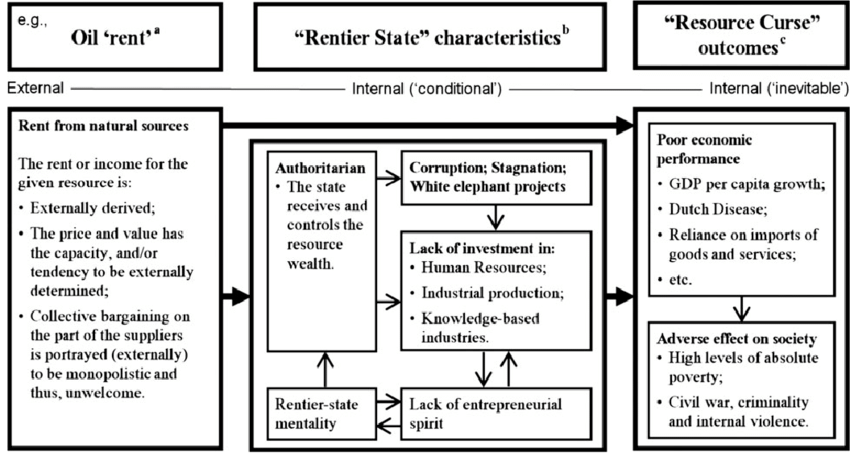 Figure 1: Conceptual model of a resource-dependent state and systemic fragility
1958 marks a first structural turning point. After the fall of the military dictatorship, Venezuela entered a prolonged democratic period characterized by political alternation and institutional continuity. Successive governments sustained stability largely through oil-funded redistribution. Formal democratic institutions consolidated, but underlying vulnerabilities,clientelism, corruption, and weak accountability, were contained rather than resolved.
This model proved resilient during oil booms, but increasingly fragile during downturns. As revenues declined in the late twentieth century, fiscal imbalance, social inequality, and declining trust in political elites progressively eroded the legitimacy of the system. These conditions created the space for political disruption and demands for a new governing model.
1999 represents a second structural inflection point. The rise of Hugo Chávez emerged as a response to accumulated institutional fatigue and social discontent. Rather than dismantling the rent-based model, the new political framework reshaped it. State power became more centralized, institutional checks weakened, and control over oil revenues, key industries, and the military increasingly concentrated within the executive.
Under Chávez, high oil prices temporarily masked structural inefficiencies, enabling expansive social policies and regional influence. At the same time, dependence on petroleum deepened and institutional autonomy continued to erode. Following Chávez’s death, Nicolás Maduro inherited a highly centralized system with limited capacity to adapt. When oil prices collapsed and production declined, the absence of institutional resilience accelerated economic contraction, governance erosion, and social breakdown.
From an intelligence perspective, this continuity is critical. The crisis observed in recent years is neither an anomaly nor the product of a single administration. It reflects the cumulative effect of long-standing structural dependencies, amplified by leadership decisions that intensified centralization and reduced systemic flexibility.
This historical backdrop establishes the conditions under which Venezuela’s current crisis unfolded. With these foundations in mind, the analysis now turns to defining a clear intelligence requirement to assess how structural dynamics, leadership trajectories, and external pressures translated into measurable risk and systemic collapse.
Every intelligence process begins with a clear analytical question. In this case: “What structural signals explain Venezuela’s long-term instability, and how did they converge into a national collapse?”
This requirement defines the scope of the analysis: geopolitics, natural resources, governance, corruption, economic dependency, and regional security. The objective is not political attribution, but understanding causal dynamics and accumulated risk over time.
The collection phase establishes the analytical foundation of the assessment. This analysis relies exclusively on open-source intelligence (OSINT), prioritizing sources that are transparent, verifiable, and consistently updated. In the Venezuelan case, where official statistics have become increasingly limited, delayed, or opaque, careful source selection and cross-validation are essential to maintaining analytical integrity.
Rather than relying on a single institutional narrative, the collection strategy integrates multiple categories of information to capture economic, political, social, and geopolitical dimensions simultaneously. This multi-source approach reduces dependency on any single dataset and increases resilience against bias, manipulation, or data gaps.
Key categories of collected information include:
Beyond datasets, the collection phase incorporates spatial and geopolitical context. Venezuela occupies a strategic position in Northern South America, with direct access to the Caribbean Sea and proximity to major maritime routes connecting South America, Central America, and North America. Its coastline lies along key sea lines of communication linked to Atlantic trade flows and the approaches to the Panama Canal, a critical artery of global commerce. While Venezuela does not control these routes, instability within its territory has the potential to affect regional maritime security and energy transit indirectly.
Venezuela’s geopolitical relevance is further reinforced by its natural resource endowment. The country holds the world’s largest proven oil reserves, alongside significant natural gas potential and extensive mineral resources including gold, iron ore, bauxite, and coltan. These assets position Venezuela as a structurally important actor in global energy and raw materials markets, particularly during periods of supply disruption or geopolitical tension.
From a strategic standpoint, Venezuela’s proximity to the southern perimeter of the United States has historically elevated its importance within hemispheric security considerations. This relevance increases when internal governance weakens and when engagement with extra-hemispheric actors introduces additional layers of geopolitical competition.
From an intelligence perspective, the interaction between strategic geography, abundant natural resources, and declining institutional resilience constitutes a classic risk profile. Geography acts as a force multiplier: when governance capacity erodes, internal instability acquires regional and international significance. This dynamic informs both the collection strategy and the prioritization of indicators examined in subsequent sections.
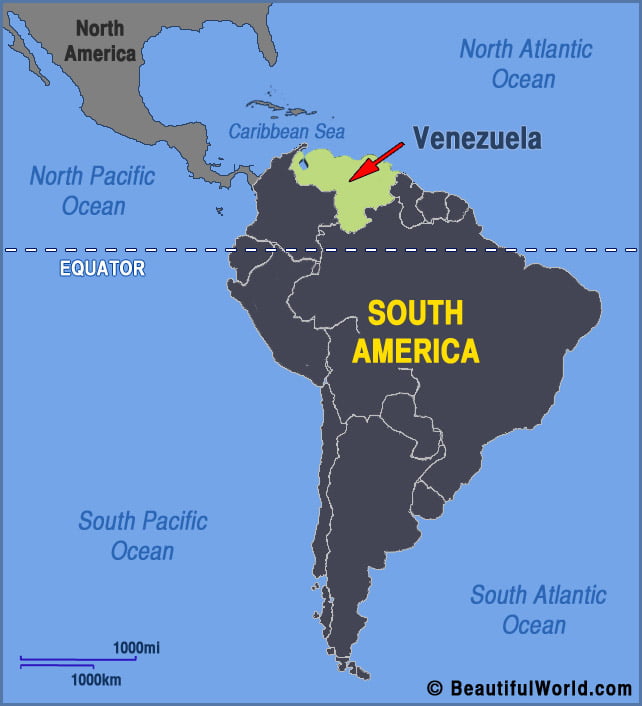 Image 1: Venezuela’s geopolitical position in the Western Hemisphere
Processing represents the critical transition from raw information to usable intelligence. In the Venezuelan case, this phase is particularly relevant due to data fragmentation, inconsistent reporting, and declining institutional transparency over time. The objective is not to perfect the data, but to structure it in a way that allows long-term dynamics and structural signals to become visible.
Rather than treating all data points as part of a single continuous series, processing focuses on aligning datasets with distinct political, economic, and institutional phases. This approach enables analysts to contextualize numerical trends within shifts in governance models, decision-making authority, and state capacity.
Key processing steps include:
The timeline below illustrates how this processing logic is applied. Rather than presenting events in isolation, the timeline groups political decisions, institutional confrontations, and electoral milestones into a coherent sequence. This allows analysts to identify inflection points where governance structures change, and to align those moments with economic and social indicators.
In this case, events such as the declaration of a state of emergency, the suspension of legislative powers, and the creation of a Constituent Assembly are treated not merely as political incidents, but as markers of institutional reconfiguration. These markers are then used to segment the dataset and interpret subsequent economic and humanitarian trends within the appropriate structural phase.
By integrating political context with economic and institutional data, this processing stage makes it possible to distinguish between short-term volatility and deeper structural degradation. Patterns of dependency, centralization, and declining resilience emerge more clearly once events are placed within their institutional timeline.
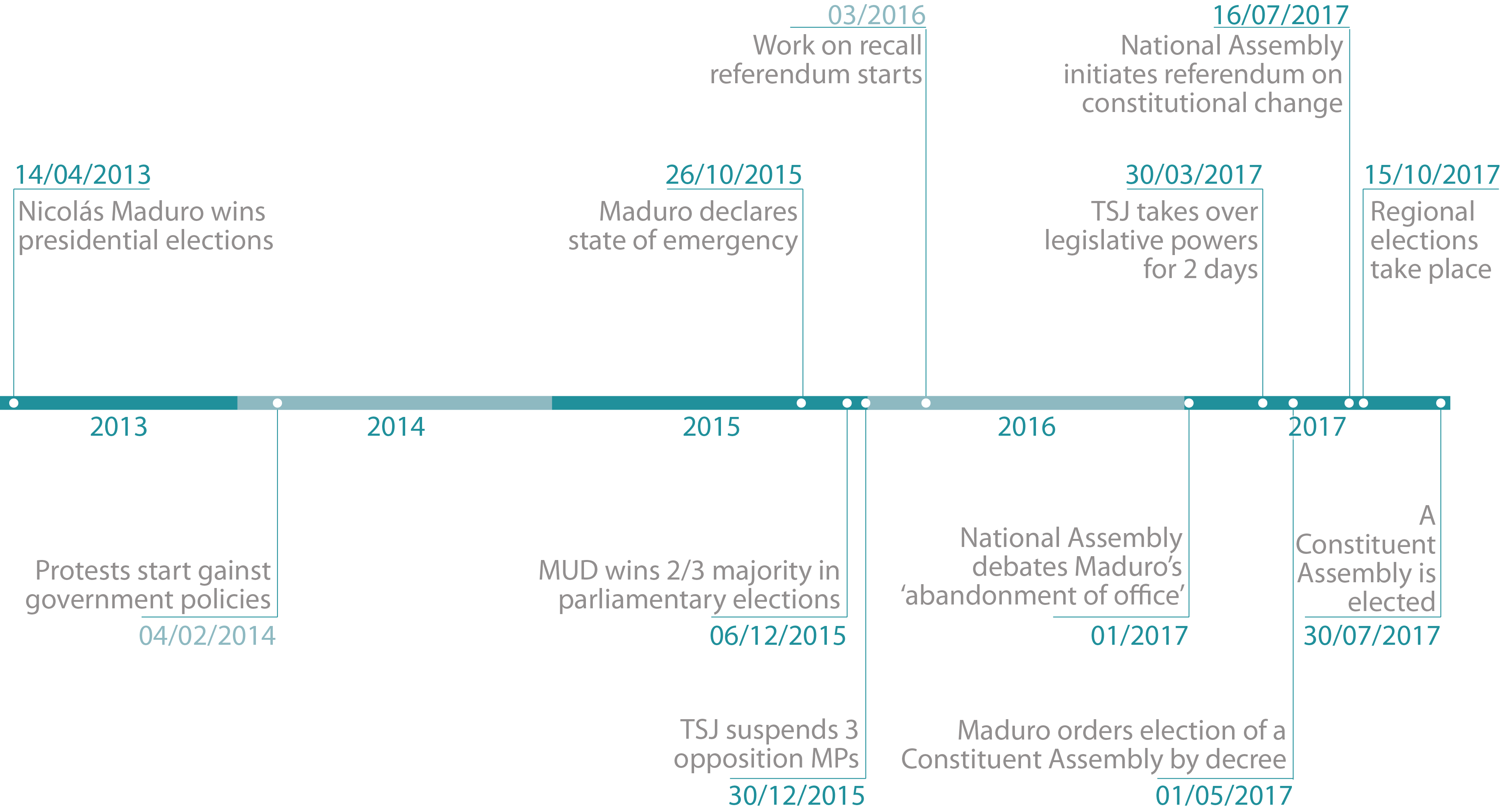 Image 2: Political and institutional timeline used to segment structural phases in Venezuela (2013–2017)
Once data has been structured along political and institutional phases, the analytical focus shifts from organization to interpretation. With datasets aligned to structural inflection points, the next step is to examine patterns, correlations, and deviations that reveal how these institutional changes translated into measurable economic, social, and security outcomes.
Venezuela’s instability cannot be explained by a single variable. Instead, it emerges from the convergence of multiple reinforcing dynamics that interact over time and amplify one another. The analytical objective at this stage is to move beyond description and extract structural meaning from economic, institutional, and geopolitical data.
First, extreme dependence on oil created a rent-based economic model. For decades, petroleum revenues financed state expansion, social programs, and political consolidation without requiring economic diversification or fiscal discipline. This model functioned while production remained high and external conditions were favorable. When oil prices declined and production capacity deteriorated, the system lacked the resilience needed to absorb the shock.
The production trend illustrated below is particularly revealing. Rather than a short-term fluctuation, the data shows a sustained decline in output over time, cutting across different political periods. From an intelligence perspective, this indicates structural degradation of extraction capacity, underinvestment, and institutional mismanagement, rather than temporary market-driven volatility.
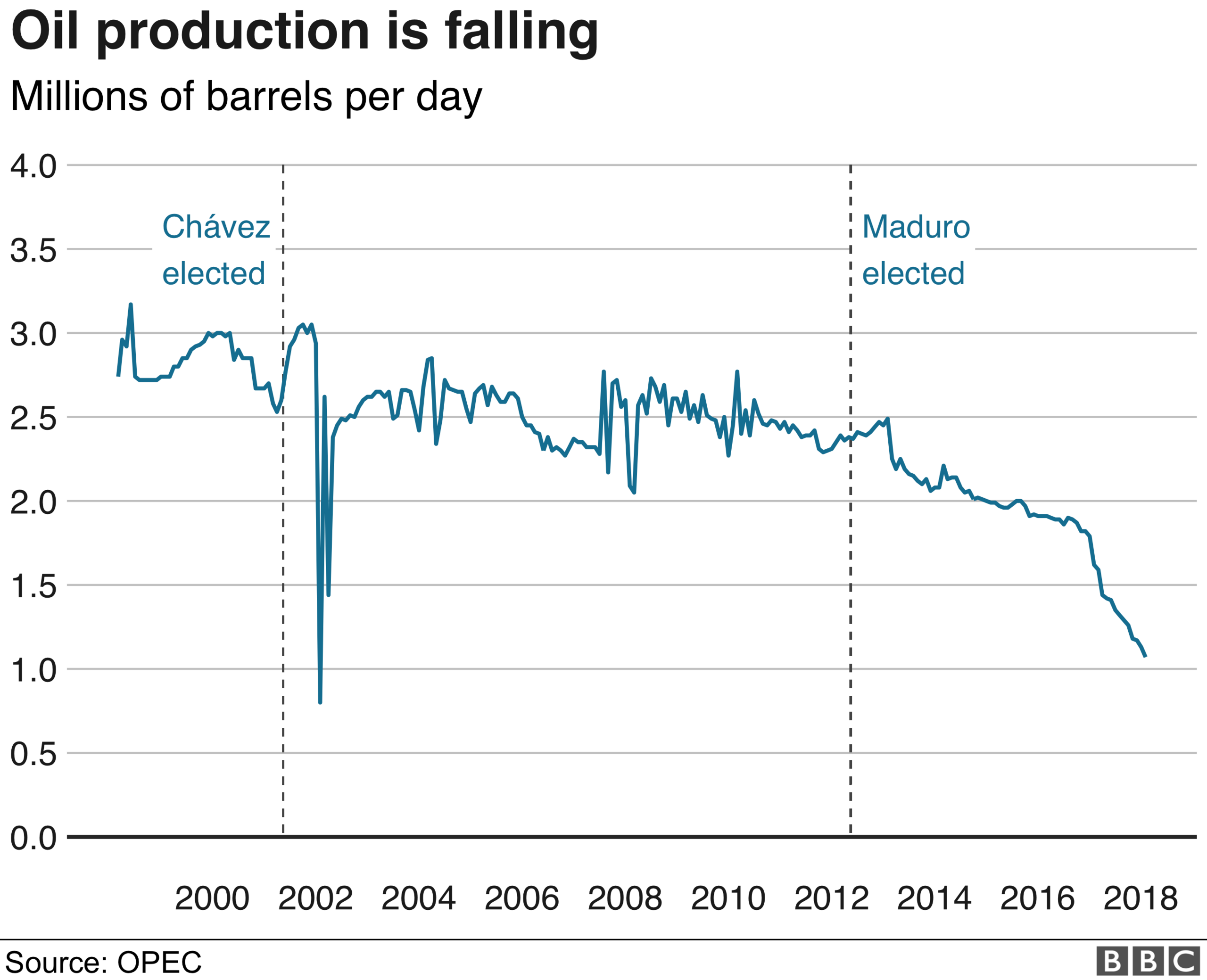 Image 3: Long-term decline in oil production
Second, institutional erosion progressively weakened governance capacity. As economic stress increased, political, judicial, economic, and military power became increasingly concentrated. Formal checks and balances lost effectiveness, and accountability mechanisms eroded. Corruption evolved from an endemic issue into a systemic operating mechanism, particularly in the management of strategic resources and currency controls.
Third, the militarization of the economy altered internal incentives. As civilian institutions weakened, the armed forces assumed expanded roles in logistics, imports, food distribution, and extractive activities. From an intelligence standpoint, this significantly increased regime resilience in the short term, as economic survival became directly tied to loyalty within the security apparatus. At the same time, this reduced the likelihood of internal reform and increased the cost of political transition.
The spatial distribution of Venezuela’s strategic resources, shown below, highlights why control over territory and extraction sites became a central pillar of political power. Oil fields, refineries, and mineral-rich regions are unevenly distributed, requiring centralized coordination and security enforcement. In contexts of institutional weakness, this territorial dimension reinforces centralization and incentivizes coercive control mechanisms.
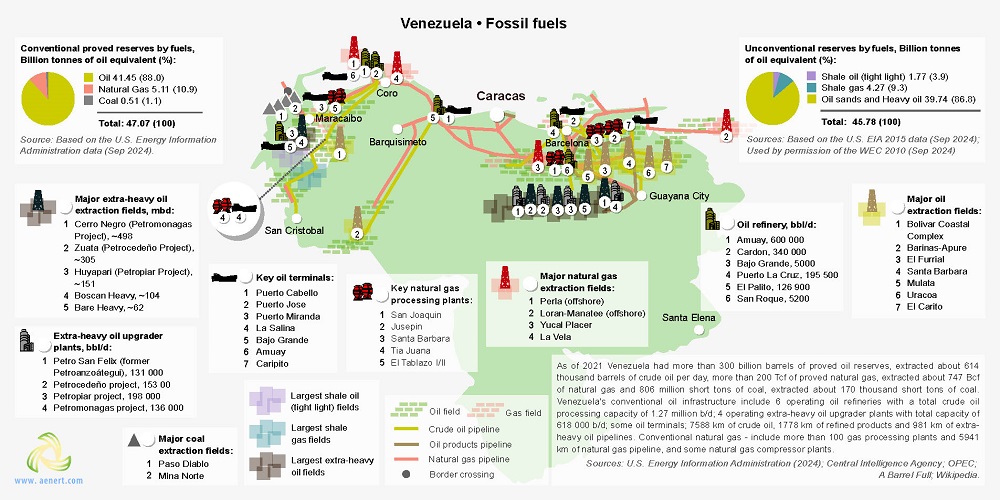 Image 4: Strategic natural resources and control areas
Finally, Venezuela’s international alignment shifted toward non-Western powers. As relations with traditional partners deteriorated, strategic engagement with Russia, China, Iran, and Turkey provided financial relief, diplomatic cover, and limited military cooperation. While this alignment contributed to regime survival, it also deepened Venezuela’s geopolitical isolation and increased long-term dependency on external support.
Taken together, these dynamics form a self-reinforcing cycle: resource dependency enables centralization, centralization accelerates institutional erosion, and institutional erosion increases vulnerability to economic and external shocks. From an intelligence perspective, this cycle explains why Venezuela’s crisis persisted and deepened even as individual policies or leadership styles changed.
The purpose of intelligence is not analysis for its own sake, but to support informed decision making under conditions of uncertainty. Once structural patterns and risk dynamics have been identified, their value depends on how effectively they are communicated to those responsible for policy, planning, and resource allocation.
In this case, the analysis demonstrates how processed data and contextual interpretation can be translated into actionable strategic insight. Rather than focusing on isolated events, the emphasis is placed on trajectories, thresholds, and accumulative risk.
When disseminated appropriately, the intelligence derived from this assessment can be used to:
Effective dissemination requires clarity, proportionality, and explicit acknowledgment of uncertainty. When intelligence is communicated in this manner, it enables prevention, prioritization of limited resources, and strategic planning, reducing the likelihood of crisis-driven decision making.
Intelligence analysis is inherently iterative. Conclusions are not fixed outcomes, but working assessments that must be continuously tested, updated, and refined as conditions evolve and new information becomes available. Evaluation is therefore not the end of the process, but a critical mechanism for maintaining analytical relevance.
In the Venezuelan case, ongoing evaluation focuses on assessing the accuracy, limitations, and operational usefulness of the framework. This includes monitoring whether identified indicators continue to reflect underlying dynamics and whether emerging developments alter baseline assumptions.
Future refinement of this analytical framework could include:
Through continuous evaluation, the analytical framework remains adaptive, internally consistent, and operationally useful. This iterative process enables a smoother transition from retrospective assessment to forward-looking scenario development and early warning monitoring.
Intelligence analysis does not seek to predict a single future outcome, but to assess a range of plausible scenarios derived from current structural conditions, actor behavior, and observable trends. Building on the iterative evaluation of this framework, three broad scenarios can be outlined for Venezuela.
Scenario 1: Prolonged Stagnation (Baseline Scenario)
This scenario assumes the continuation of current dynamics.
Limited economic stabilization persists through partial dollarization,
informal markets, and selective external engagement.
Political power remains centralized, institutional recovery remains minimal,
and corruption continues to function as a stabilizing mechanism for the regime.
Humanitarian conditions improve marginally, but large-scale migration continues.
From an intelligence perspective, this is the most likely short- to mid-term outcome.
Scenario 2: Gradual Reconfiguration (Best-Case Scenario)
In this scenario, incremental political and economic adjustments take place.
Institutional capacity slowly recovers, selective reforms increase transparency,
and controlled re-engagement with international actors improves economic performance.
Oil production stabilizes rather than expands significantly,
and humanitarian pressure decreases.
While not a full recovery, this path reduces regional risk and migration flows.
This scenario requires sustained political incentives and external coordination.
Scenario 3: Systemic Deterioration (Worst-Case Scenario)
This scenario emerges if external shocks intensify existing vulnerabilities.
A sharp decline in oil revenues, renewed international isolation,
or internal fragmentation could accelerate institutional breakdown.
Increased criminalization of the economy, territorial loss of control,
and intensified humanitarian crisis would follow.
Regional spillover effects,including migration, organized crime,
and security instability,would increase significantly.
Across all scenarios, Venezuela remains highly sensitive to external variables, including energy markets, geopolitical alignments, and regional security dynamics. While short-term stabilization may occur under certain conditions, the underlying structural risk remains elevated. From an intelligence perspective, this uncertainty makes continuous monitoring more valuable than static forecasting.
Early warning indicators translate scenario-based assessments into observable signals. Rather than predicting outcomes, they enable analysts to track trajectory shifts in real time and assess whether conditions are moving toward stabilization, stagnation, or renewed deterioration. The indicators below are grouped by domain and directly linked to the scenarios outlined above.
| Domain | Indicator | Signal of Improvement | Signal of Deterioration | Related Scenario |
|---|---|---|---|---|
| Economic | Oil production (bpd) | Sustained stabilization or gradual increase | Sharp or accelerated decline | Baseline / Worst-case |
| Economic | Inflation trend | Consistent deceleration over multiple quarters | Renewed hyperinflationary pressure | Baseline / Worst-case |
| Economic | Import capacity | Increased availability of food and medicine | Supply disruptions and scarcity | All scenarios |
| Institutional | Judicial and electoral transparency | Observable procedural improvements | Further erosion or politicization | Best-case / Worst-case |
| Governance | Corruption exposure | Increased reporting and accountability | Expansion of opaque or parallel systems | Baseline / Worst-case |
| Security | Territorial control | Reduction of illegal armed or criminal presence | Expansion of informal or criminal governance | Worst-case |
| Social | Migration flows | Stabilization or reduction in outbound migration | Sudden or accelerated migration spikes | All scenarios |
| Social | Public service functionality | Improved access to electricity, water, healthcare | Frequent systemic failures | Baseline / Worst-case |
| Geopolitical | International engagement | Gradual normalization of diplomatic relations | Renewed isolation or sanctions escalation | Best-case / Worst-case |
| Geopolitical | External security cooperation | Increased transparency and multilateral coordination | Deepening alignment with non-transparent actors | Baseline / Worst-case |
Note: Indicators listed are intended for continuous monitoring rather than point-in-time assessment. Signals of improvement or deterioration should be evaluated based on sustained trends, cross-domain correlation, and contextual interpretation. No single indicator is sufficient to determine trajectory; risk emerges from the interaction of economic, institutional, security, and geopolitical variables.
Taken together, these indicators form a dynamic monitoring framework. No single variable determines Venezuela’s trajectory; risk emerges from the interaction of economic stress, institutional fragility, security dynamics, and external pressure. Effective intelligence depends on continuous observation, contextual interpretation, and timely reassessment rather than static conclusions.
In the early hours of January 3, 2026, U.S. leadership publicly announced the execution of a military operation on Venezuelan territory, reportedly resulting in the capture of President Nicolás Maduro and his spouse, Cilia Flores. The announcement was made by Donald Trump through official statements and visual material shared via verified communication channels.
According to statements attributed to the White House, the operation was described as a targeted action conducted by U.S. forces, with both individuals reportedly transferred out of Venezuela and placed under U.S. custody. At the time of writing, operational details remain limited and subject to verification through independent sources.
Ongoing coverage and confirmation efforts are being monitored through major international outlets, including Reuters and Associated Press.
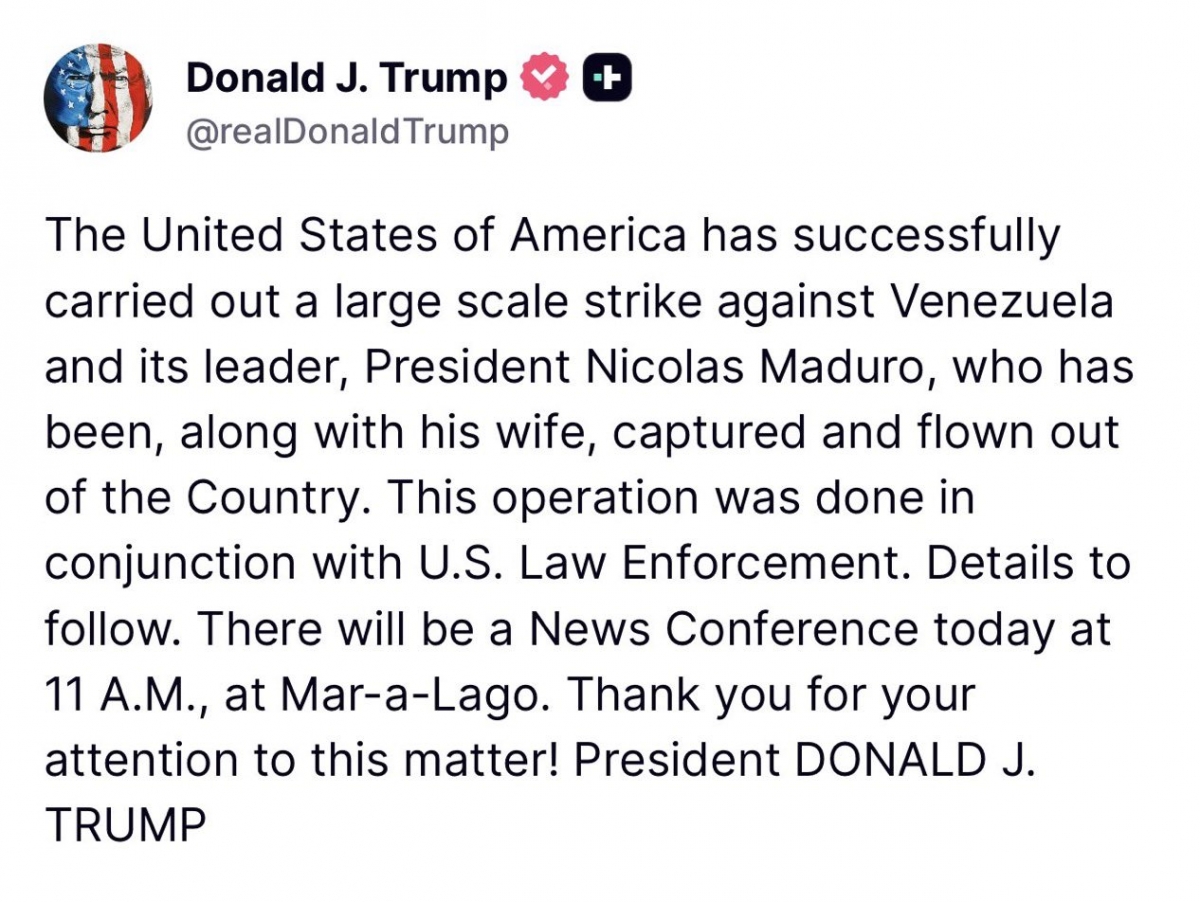 Image 5: Visual material released by U.S. leadership following the reported operation (January 2026)
From an intelligence analysis perspective, this development represents a major tactical inflection point within the structural framework outlined in this assessment. Regardless of final confirmation details, the reported operation aligns with previously identified indicators of elevated external intervention risk.
Open-source mapping of reported strike locations provides additional tactical context. The map below illustrates sites reportedly affected during the operation, based on preliminary OSINT reporting and subject to revision. Reported activity appears concentrated along Venezuela’s central-northern corridor, including coastal access points and command-adjacent urban areas.
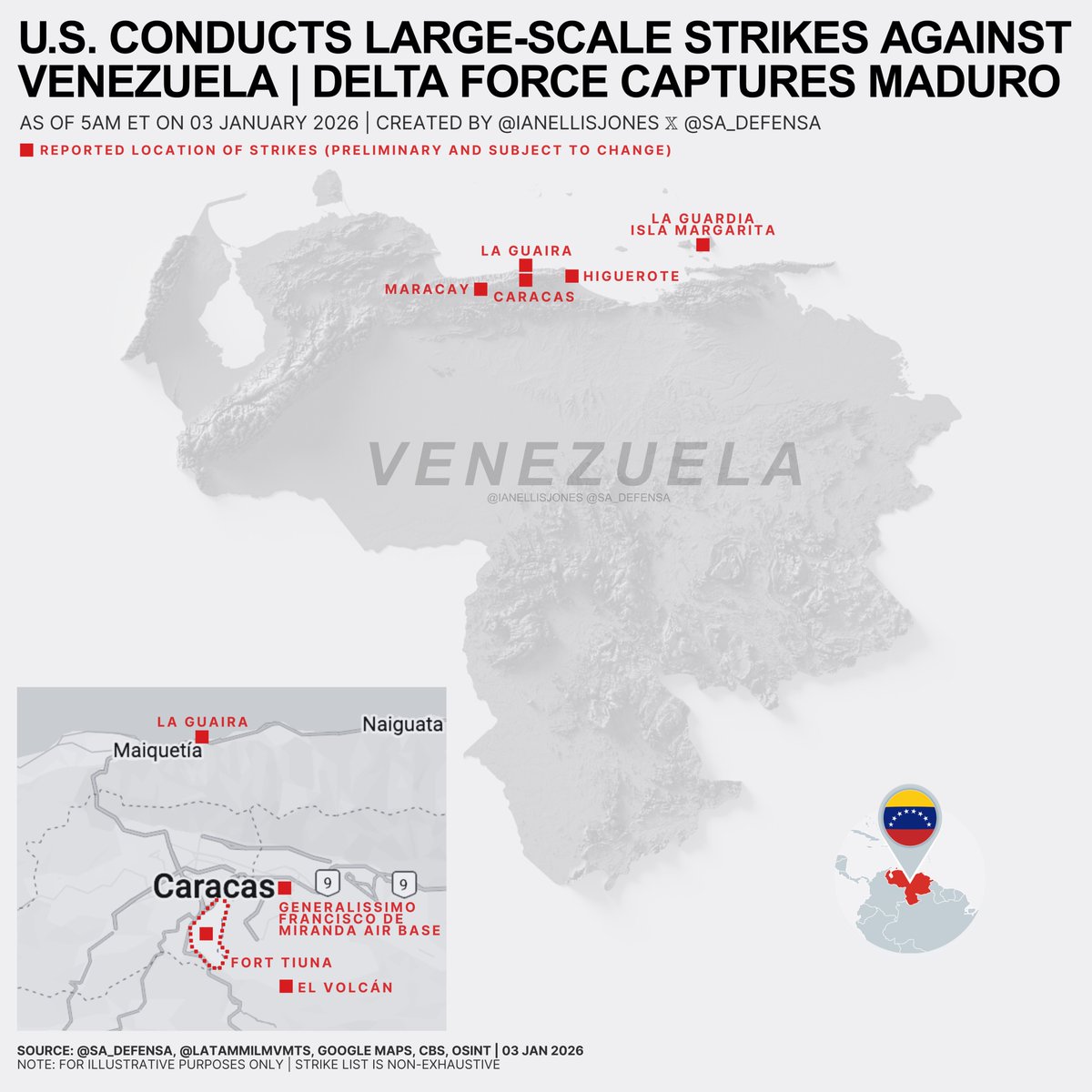 Image 6: Reported locations of strikes associated with the January 2026 operation (preliminary OSINT)
From a tactical intelligence perspective, the geographic clustering of reported strikes is highly indicative of a focused and time-constrained operation. Rather than dispersing effects across a wide battlespace, reported activity appears concentrated on a limited set of nodes critical to air superiority, command coordination, and access to maritime and aerial corridors.
One of the primary tactical priorities in any operation involving airborne insertion is the temporary suppression or neutralization of hostile air capabilities. Fixed-wing assets, rotary aviation, and short-range air defense systems represent the most immediate threat to helicopters and transport aircraft. Reported strikes near air bases and aviation-related infrastructure are therefore consistent with an objective of reducing aerial interception risk during insertion and extraction phases, rather than seeking long-term degradation of air power.
Closely linked to air dominance is the disruption of command-and-control and military communications. Modern security forces rely on centralized communications to coordinate response, redeploy units, and establish situational awareness. Targeting communications hubs and command-adjacent facilities can create localized information paralysis, delaying reaction time and fragmenting response without requiring widespread engagement. From an intelligence standpoint, this type of disruption is designed to buy time rather than territory.
The proximity of several reported strike locations to coastal infrastructure and port facilities is also analytically significant. Ports serve not only as economic nodes, but as critical logistical and mobility hubs. Temporary disruption of port operations limits rapid reinforcement, restricts maritime pursuit, and preserves secure extraction corridors. In operations focused on leadership capture rather than occupation, control of access points is often more critical than control of terrain.
Taken together, the confirmed pattern of reported strikes suggests a sequencing logic aimed at: reducing aerial threat, disrupting coordination and response, and securing rapid exit routes. This combination aligns with a decapitation-focused mission profile, prioritizing speed, precision, and escalation control over sustained military engagement.
A second analytical layer emerges when this strike pattern is contrasted with the broader distribution of potential military and security targets across Venezuelan territory. Numerous air bases, radar installations, and army facilities remain outside the reported strike envelope, reinforcing the assessment that the operation was not intended to degrade Venezuela’s overall military capability, but to achieve a narrow, time-sensitive objective under conditions of minimized exposure.
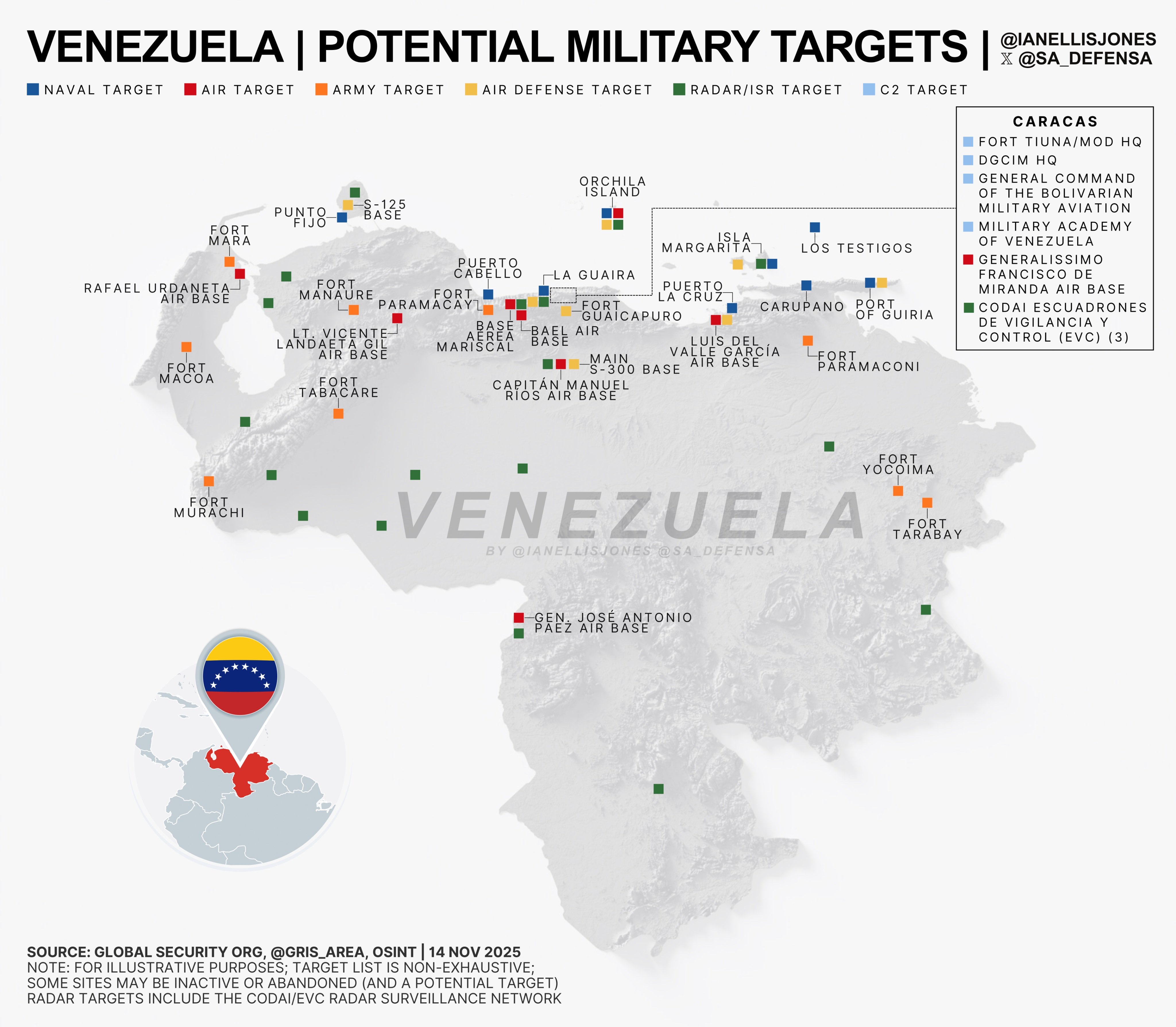 Image 7: Distribution of potential military and security targets relevant to regime protection
The contrast between the limited number of reported strike locations and the significantly wider set of potential targets is analytically significant. It suggests an operation designed not for sustained military degradation, but for leadership decapitation and extraction, minimizing collateral engagement and limiting escalation pathways.
From an intelligence perspective, such an operational profile implies:
Strategically, the reported capture introduces immediate uncertainty across several domains. These include leadership succession, internal security cohesion, control over strategic resources, and the response of international actors aligned with or opposed to the previous regime.
At this stage, intelligence best practice requires continuous monitoring, multi-source verification, and restraint in extrapolating long-term outcomes. While leadership removal constitutes a significant tactical event, its strategic impact will ultimately depend on the behavior of Venezuelan institutions, the armed forces, and external stakeholders in the immediate aftermath.
This development necessitates an update to the scenario framework presented earlier in this analysis, as well as recalibration of early warning indicators related to political continuity, security fragmentation, and control over strategic assets.
To contextualize Venezuela’s trajectory, it is analytically useful to compare it with other states that share structural characteristics such as resource dependency, institutional fragility, geopolitical exposure, and external pressure. Libya, Iran, and Nigeria provide three distinct but instructive comparative cases.
Libya illustrates the risks associated with abrupt leadership removal in a weakly institutionalized state. Following the fall of Muammar Gaddafi in 2011, the absence of cohesive national institutions led to fragmentation of authority, prolonged internal conflict, and competing centers of power. Despite vast oil reserves, Libya’s inability to consolidate governance resulted in chronic instability.
From an intelligence perspective, Libya demonstrates that the removal of a central authority without a viable institutional transition framework can accelerate state failure, even when external intervention is initially framed as limited or corrective.
Iran represents a contrasting case of institutional resilience. Despite extensive sanctions, diplomatic isolation, and periodic military pressure, the Iranian state has maintained internal coherence through strong bureaucratic structures, ideological legitimacy mechanisms, and diversified economic adaptation strategies.
This case highlights a critical intelligence distinction: states with consolidated institutions and diversified power centers can absorb external shocks without systemic collapse. Iran’s trajectory underscores the importance of internal cohesion over resource endowment alone.
Nigeria offers an example of prolonged structural fragility without full state collapse. As a resource-dependent economy with significant governance challenges, Nigeria faces persistent security threats, corruption, and socio-economic inequality. However, federal structures, demographic scale, and partial institutional redundancy have prevented a Libya-style breakdown.
From an analytical standpoint, Nigeria demonstrates that fragility does not inevitably lead to collapse. The presence of multiple power centers and adaptive political mechanisms can contain systemic risk, albeit without resolving underlying vulnerabilities.
| Country | Resource Dependency | Institutional Strength | External Pressure | Outcome |
|---|---|---|---|---|
| Venezuela | Very High (Oil) | Low | High | Systemic Collapse Risk |
| Libya | Very High (Oil) | Very Low | Very High | State Fragmentation |
| Iran | High (Oil/Gas) | High | Very High | Resilient Containment |
| Nigeria | High (Oil) | Medium | Medium | Chronic Fragility |
Note: Comparative assessments are qualitative and structural in nature. Institutional strength reflects governance capacity, resilience of state structures, and effectiveness of power distribution mechanisms rather than regime type. Outcomes represent observed trajectories rather than deterministic predictions and are subject to change based on internal adaptation and external pressure.
Comparatively, Venezuela aligns more closely with Libya than with Iran or Nigeria in terms of institutional weakness and dependency-driven vulnerability. However, its outcome remains contingent on whether post-leadership dynamics move toward institutional reconstruction or fragmentation.
The intelligence takeaway across these cases is consistent: resource wealth amplifies both state capacity and state failure. Where institutions are weak, external pressure accelerates collapse. Where institutions are resilient, similar pressure produces adaptation rather than disintegration.
Venezuela did not collapse suddenly. Its crisis emerged from the long-term convergence of ignored structural signals: extreme resource dependency, progressive institutional erosion, systemic corruption, and predictable external shocks. These dynamics accumulated over decades, reducing state resilience and narrowing the range of viable policy responses.
The recent capture of national leadership by an external actor does not negate this trajectory; rather, it underscores its final stage. Such an outcome becomes conceivable only when internal governance capacity, institutional legitimacy, and strategic autonomy have been sufficiently weakened. From an intelligence perspective, this event represents not a rupture, but an inflection point within a broader structural decline.
This case reinforces a fundamental intelligence lesson: data does not merely describe reality,it reveals direction. When structural trajectories are identified but disregarded, their consequences extend far beyond economics, shaping political sovereignty, regional stability, human security, and the global geopolitical balance.
This analysis has deliberately prioritized structural dynamics over tactical events. While recent developments represent a significant inflection point, they do not invalidate the long-term patterns identified throughout this assessment. From an intelligence standpoint, focusing exclusively on high-impact events risks obscuring the deeper systemic forces that shape state behavior and resilience.
It is essential to acknowledge the inherent limitations of open-source intelligence. Data gaps, delayed reporting, and intentional information opacity introduce uncertainty. As a result, conclusions should be interpreted as probabilistic assessments, not definitive forecasts. The value of intelligence lies not in certainty, but in improving decision quality under conditions of ambiguity.
At the time of writing, several critical variables remain unresolved: the cohesion of Venezuela’s security apparatus, the emergence of alternative centers of authority, the governance of strategic resources, and the nature of external involvement during any transition period. These factors will determine whether recent developments lead toward stabilization, fragmentation, or renewed systemic stress.
Beyond the Venezuelan case, this analysis carries a broader implication. States characterized by extreme resource dependency, institutional erosion, and concentrated power structures exhibit predictable vulnerability to both internal collapse and external intervention. When early warning signals are ignored, outcomes are not sudden,they are accumulated.
For analysts and decision-makers, the primary lesson is methodological as much as strategic: intelligence must remain focused on trajectories rather than events, structures rather than personalities, and long-term risk accumulation rather than short-term volatility. Only under this discipline can data meaningfully inform policy, prevent crisis escalation, and support more resilient outcomes.
This analysis is based exclusively on publicly available information and open-source intelligence. It does not represent classified assessments or official positions of any government or institution. All conclusions are analytical and exploratory in nature and are intended to promote responsible intelligence methodology and critical thinking.
- a. r. brea, written 2026
go back